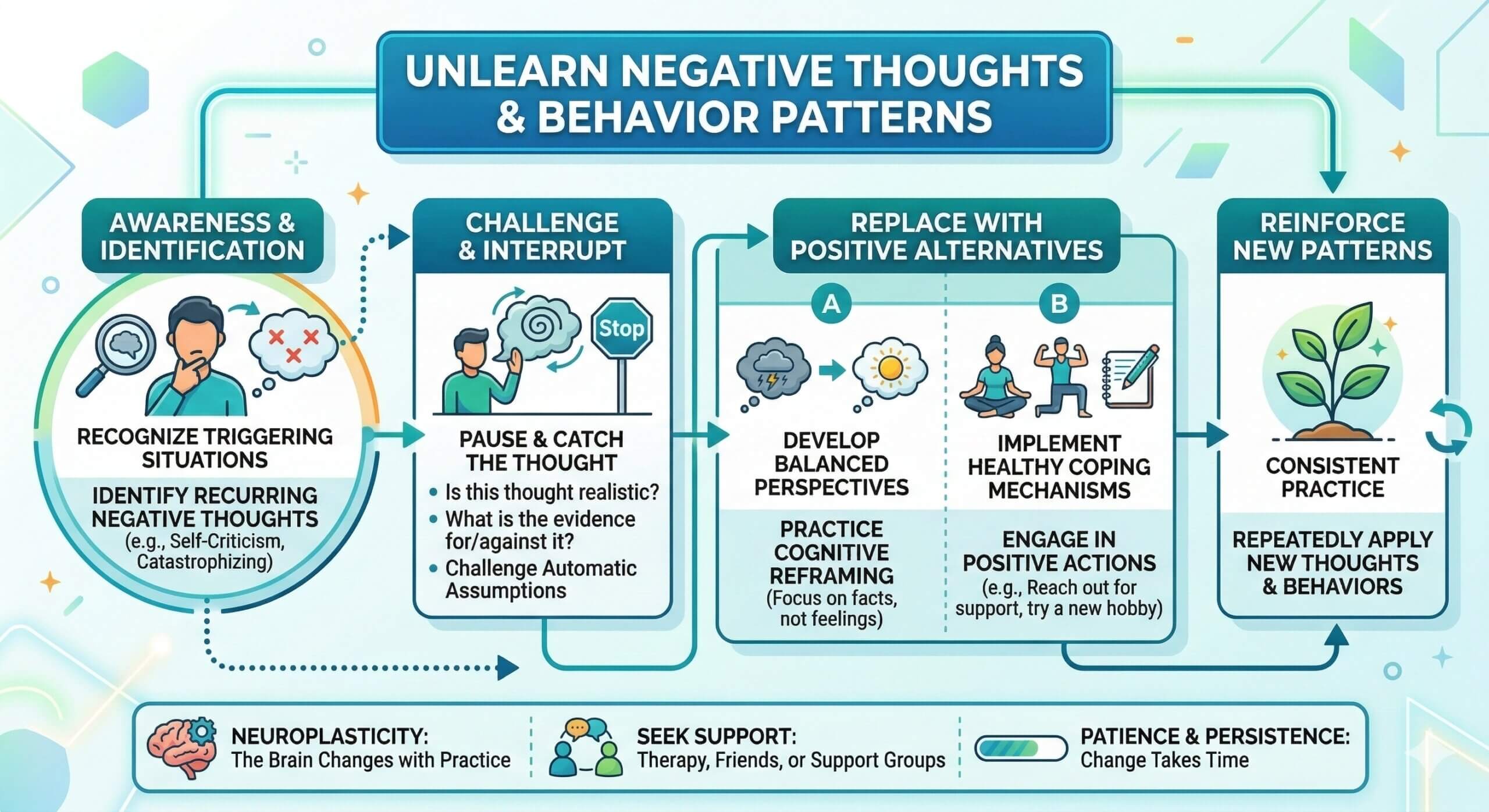
Unlearning Negative Thoughts & Behaviors Patterns
Michael Dorausch, D.C.
I just finished another enlightening Huberman Lab podcast episode featuring psychiatrist Dr. Alok Kanojia (Dr. K). Neuroscientist Andrew Huberman delves into the art of unlearning maladaptive thoughts and behaviors shaped by our digital age, blending Eastern wisdom with Western science to enhance mental and physical health. Dr. K, drawing from his experiences as a former monk and his work with gamers, emphasizes tools like meditation, breathwork, and yoga nidra to regulate the nervous system, process trauma, build emotional resilience, and foster neuroplasticity – ultimately guiding listeners toward a more balanced, authentic life free from the grips of stress, addiction, and uncertainty.
I’ve long advocated for holistic approaches to nervous system health through chiropractic care, and this discussion aligns seamlessly with topics explored on Planet Chiropractic. Check it out on X to watch the complete interview.
Overview of the Episode
The discussion, lasting over three hours, explores how to unlearn maladaptive thoughts and behaviors shaped by modern life, particularly the internet, gaming, and social media. Dr. K draws from his background as a former monk in India and his work with gamers to provide tools for rewiring the mind, building resilience, and improving overall well-being. The episode emphasizes self-awareness, emotional processing, and practices that directly influence the nervous system, such as meditation and breathwork, to resolve trauma and foster healthier patterns.
While the conversation covers topics like millennial self-awareness, dating in the digital age, and young men’s mental health challenges, I’ll focus on the aspects related to health and the nervous system. These include mechanisms of emotional distress, trauma storage and resolution, tools for unlearning negative patterns, and specific protocols for meditation, breathwork, and yoga nidra that promote nervous system regulation and neuroplasticity.
Related topics to be explored on Planet Chiropractic include:
- Optimizing Sleep Resilience: A Science-Based Integration of Absolute Rest into Chiropractic Care – Exploring rest’s role in nervous system recovery.
- Harmonizing Ancient Wisdom and Modern Science: EMFs, Schumann Resonance, and the Chiropractic Legacy of Energy and Light – Connecting energy fields to nervous system balance.
- Supramental Transformation and Alignment with Divine Consciousness – On mental and emotional alignment akin to meditative practices.
- The Price of Greatness in 2026 and Beyond: Breaking Free from Ignorance, Embracing Your Innate Power – Empowering strategies for overcoming mental barriers.
Health Implications and Nervous System Mechanisms
Dr. K explains that many health issues stem from poor emotional regulation, which directly impacts the nervous system. For instance, overwhelming emotions activate the amygdala (the brain’s fear center), creating a stress response that must subside before higher brain areas, like those involved in language, can process and label the emotion. This labeling reduces emotional intensity and helps calm the nervous system, preventing chronic stress that contributes to mental illnesses like anxiety and depression.
A key concept is “distress tolerance,” described as a foundational skill for mental health. Low tolerance leads to an “explosion” of mental health problems because people avoid feeling emotions, opting instead for numbing behaviors like excessive social media use or pornography. Social media, in particular, creates rapid cycles of fear and anger, leading to cognitive exhaustion and suppressed emotions, which dysregulate the autonomic nervous system (balancing sympathetic “fight-or-flight” and parasympathetic “rest-and-digest” states).
Tools for Unlearning Negative Thoughts and Behaviors
To unlearn negative patterns, Dr. K provides a three-step tool for handling overwhelming emotions, which directly engages the nervous system:
- Label the emotion: This calms the amygdala, allowing the linguistic brain to take over and reduce intensity.
- Cultivate additional emotions: For example, after a breakup, intentionally foster gratitude alongside sadness to create emotional balance.
- Interpret emotions as information: View fear or anger as signals for action or motivation, rather than threats, to reframe and rewire responses.
He stresses that narrating feelings (e.g., “I’m sad because…”) isn’t true processing; emotions aren’t excuses for behavior, and authenticity means aligning actions with deeper self-awareness, not impulses.
For criticism, observe your reaction: If it’s empathic (focusing on the critic’s issues), it’s healthy; if personal (hitting core beliefs), it reveals areas for growth. Insults only sting if they align with pre-existing negative self-beliefs, and calm criticism penetrates deeper than angry outbursts.
Procrastination and boredom are reframed as nervous system signals – boredom allows rest, while social media disrupts this by overstimulating dopamine pathways. Beliefs change at a “being-level” (e.g., shifting self-esteem), automatically affecting behaviors like boundaries without relying on willpower.
Meditation, Breathwork, and Emotional Regulation
Meditation is highlighted as a superior tool for observing and transcending the mind, deactivating the default mode network (which maintains the sense of self or ego). This allows access to a deeper “you” beyond thoughts and emotions, promoting nervous system resilience.
Dr. K recommends Shunya (void) meditation: Focus on the emptiness at the solar plexus or the gap between breaths (the transition from inhale to exhale). This cultivates an inner peace untouched by external events, like experiencing grief without self-pity.
Breathwork protocols target autonomic balance:
- Vashishta Samhita: 16-second inhale, 64-second hold, 32-second exhale with alternating nostrils to induce “prana vibration” (energy flow) and regulate the nervous system.
- Cardiac coherence: 8-second inhale, 32-second hold, 16-second exhale for parasympathetic activation, reducing stress.
Men’s emotional regulation often relies on environmental cues (e.g., adding plants or aquariums for calm), due to biological (testosterone/estrogen) and social factors, but over-reliance can hinder internal growth. The internet erodes skills like ambiguity tolerance (e.g., in flirting) and distress handling, rewarding narcissism and victimhood.
Yoga Nidra, Trauma, and Nervous System Rewiring
Trauma creates “samskaras” – emotional scar tissues stored in the unconscious during high-arousal states, narrowing focus like adrenaline in fights and leading to maladaptations (e.g., paranoia after betrayal). Yoga nidra accesses hypnagogic states (between wakefulness and sleep) for “edit mode” in the unconscious, promoting parasympathetic dominance while staying alert. This helps resolve chronic stress, pain, and trauma by shifting attention in the somatosensory cortex.
In yoga nidra:
- Plant “sankalpa” (affirmations like “I deserve to be whole”) as broad, pluripotent statements that naturally generate behaviors.
- Avoid superficial repetition, as it can feel like self-gaslighting; true change comes from deep neuroplasticity in relaxed states.
This practice channels “genius” (intuitive knowing beyond logic) and bends autonomic balance for profound rewiring. Trauma bonding occurs when shared distress mis attributes arousal to relationships, complicating recovery.
Practical Applications
Dr. K advises avoiding social media when emotionally low (it amplifies negativity) or before bed (disrupts sleep cycles). For dating, walk for an hour off-tech beforehand to boost dopamine and foster genuine connections through shared emotions.
Huberman consistently has some of the greatest interviews and information available. He’s also an awesome person and speaker at chiropractic conferences. 2-3 hours a week listening to his interviews is a great way to stay on top of the latest topics your patients are seeking knowledge on.