Chiropractic Insights on U.S. Migration Trends
By Michael Dorausch, D.C.
Are People Moving To or Fleeing From Your Area? As chiropractors, we are building practices in communities that are constantly evolving. Based on the latest U.S. Census Bureau data for 2025 (July 2024–July 2025), domestic migration patterns show a clear shift: people are flocking to affordable, lifestyle-friendly states in the South and West, while high-cost coastal and urban areas are seeing outflows. This directly impacts patient volume (what I’ve seen in Los Angeles), practice growth, and even where you might want to raise your family.
States like South Carolina and Idaho are booming with inflows, potentially bringing new patients through your doors. Conversely, places like California and New York are losing residents, which could mean fiercer competition for a shrinking pool of patients. Whether you’re thriving in a growth hotspot or navigating a exodus, here’s some thoughts on how to adapt.
Top 6 States People Are Moving To: Fueling Practice Growth
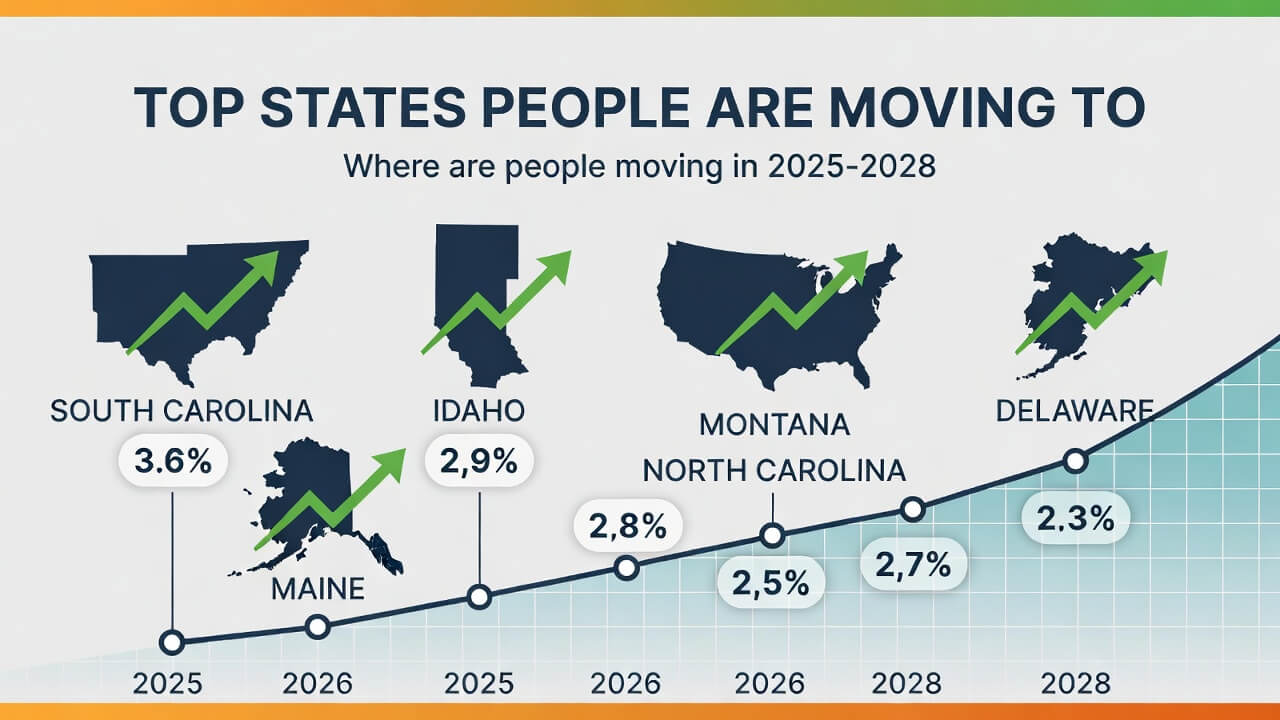
These states led in net domestic migration gains per 1,000 residents in 2025, signaling population booms that can supercharge your practice. More people means more potential patients (remote workers, retirees, and families seeking wellness-focused lifestyles). Here’s the top 6 based on rates:
- South Carolina (+12.0 per 1,000): Fastest-growing per capita, with over 66,000 net newcomers.
- Idaho (+9.9): Attracting outdoor enthusiasts and tech spillover.
- Delaware (+8.2): Tax-friendly haven near major East Coast hubs.
- Montana (+7.9): Big Sky appeal for those ditching urban stress.
- North Carolina (+7.6): Booming with jobs in tech and healthcare.
- Maine (+6.0): Drawing retirees and remote workers to its natural beauty.
Tips for Practice Growth in These Hotspots:
- Target Newcomers with Tailored Marketing: Influxes bring stressed movers. Launch “Welcome to [State] Wellness Packages” with initial consults focused on travel-related care (e.g., long drives or flights). Use local SEO like “chiropractor in Boise” to capture Google searches from relocators. Partner with real estate agents for referrals; in South Carolina, where per-capita growth is highest, this could add 20-30% to your patient base annually.
- Expand Services for Growing Demographics: These areas skew toward families and active adults. Add pediatric chiropractic or sports injury specialties. In Idaho or Montana, emphasize outdoor recovery (e.g., hiking-related adjustments). Invest in community events. Sponsor local 5Ks or wellness fairs to build loyalty amid the boom.
- Scale Your Operations: With population surges, consider hiring associates or opening satellite offices. Data shows these states have lower practice saturation; for example, North Carolina’s job growth in healthcare means more insured patients. Track metrics: Aim for a 15-25% year-over-year increase in new patient intakes by leveraging migration data in your business plan.
- Leverage Tech for Retention: Use apps for virtual follow-ups, as many migrants are remote workers. This keeps patients engaged even if they relocate within the state.
Projections into 2028 suggest these trends hold, with the South gaining 6-8% overall population. If you’re already here, ride the wave – practices in these states report higher revenues due to demographic vitality.
Considering a Move? Family and Practice Factors in Top Inbound States
Thinking of uprooting your family and practice to one of these growth areas? As a chiropractor, you’re in a portable profession, but relocation requires strategy. Licensing is straightforward (most states accept NBCE exams), but family life and business setup vary.
- Family-Friendly Vibes: South Carolina and North Carolina offer affordable housing (median homes ~$300K vs. national $400K) and strong school systems – ideal for raising kids with outdoor activities. Idaho and Montana provide low crime and nature access, perfect for work-life balance; think family hikes post-clinic. Delaware’s proximity to beaches and cities suits urban families, while Maine’s slower pace appeals to those fleeing hustle.
- Practice Setup Considerations: Startup costs are lower here – office space in Boise (Idaho) runs 20-30% below coastal averages. Research demand: These states have aging populations (e.g., Maine’s retiree influx), boosting need for geriatric care. Check state regs; South Carolina requires 40 CE hours biennially, similar to most. Projections show sustained growth through 2028, with Utah and Texas joining as hotspots – plan for competition by niching in wellness or integrative care.
- Economic and Lifestyle Perks: Lower taxes (e.g., no state income tax in Tennessee, nearby) mean more take-home pay. For families, factor in healthcare access – North Carolina’s Research Triangle has top hospitals for collaborations. Avoid pitfalls: Remote areas like Montana may have seasonal patient dips, so build a year-round base.
- Relocation Roadmap: Start with a visit; join state chiropractic associations (e.g., Idaho Chiropractic Association) for networking. Budget for setup, including marketing to tap migrants. Families thrive here – lower stress from cost savings can mean better home life, aligning with our holistic chiropractic lifestyle.
If you’re eyeing a move, 2026-2028 forecasts predict stable inflows, making now a smart time to plant roots.
Top 6 States People Are Moving Out Of: Strategies to Thrive Amid Outflows
Outflows can sting, but they’re not fatal. These states saw the biggest net losses per 1,000 in 2025, often due to high costs and urban fatigue:
- California (-5.8 per 1,000): Over 229,000 net losses.
- Hawaii (-6.5): Island paradise, but pricey.
- Massachusetts (-3.8): High taxes driving exits.
- New Jersey (-3.4): Commuter woes.
- New York (-2.8): Urban exodus continues.
- Maryland (-2.7): Tied to D.C. area costs.
Ideas for Chiropractors in These Areas:
- Focus on Retention and Loyalty Programs: With shrinking populations, double down on existing patients. Offer membership models (e.g., monthly adjustments) to encourage repeat visits. In California, where losses are steepest, emphasize stress relief for those staying amid economic pressures – market as “Your Anchor in Changing Times.”
- Diversify and Go Digital: Expand into telehealth for out-of-state former patients, legal in most cases. Partner with corporations for employee wellness programs; New York’s dense offices are ripe for this.
- Community Engagement to Stem the Tide: Host free workshops on “Wellness in High-Stress Cities” to attract locals. In Massachusetts or New Jersey, collaborate with other providers for integrated care networks – referrals can offset losses. Track outflows: Use tools like Google Analytics to see if patients are moving South, then offer virtual continuity.
- Reevaluate or Relocate Internally: If outflows persist (projections show Northeast declines through 2028), consider shifting to growing pockets within your state (e.g., upstate New York). For severe cases, plan a phased exit – build a referral network in inbound states.
- Mindset Shift: View this as an opportunity to specialize. High-cost areas often have affluent patients willing to pay premium for elite care – position your practice as a boutique experience.
Migration isn’t stopping; Census projections indicate slowing but persistent shifts through 2028. As chiropractors, adaptability is our strength. Check your state’s stats – are people arriving or departing? Use this to pivot your practice toward sustainability and growth.